What Makes a World-Class Private Event Performance
Key takeaways
- World-class private event entertainment depends on artist chemistry with an intimate audience, not just a famous name on the bill.
- Production, staging and sound must be tuned to the specific venue, since a stadium rig rarely suits a 120-guest ballroom.
- Logistics and discretion decide whether a performance feels effortless, from travel and riders to NDAs that protect every guest.
- Experiences convert: 72% of attendees say they convert faster after an event, and over 90% who gain trust at an event go on to buy (Cvent, 2026).
- Twenty-five years of booking experience lets an agency anticipate the problems a first-time planner never sees coming.
World-class private event entertainment is the product of chemistry, craft and quiet planning, not simply a famous name signed to a contract. The difference between a pleasant evening and one guests still talk about years later comes down to how well the artist, the production and the logistics are matched to a specific room and a specific audience.
Live experiences carry real weight. In 2026, Cvent reported that 72% of attendees say they convert faster when they attend an event, and over 90% of attendees who felt increased trust after an event went on to make a purchase (Cvent, 2026). For a private host, the stakes are personal rather than commercial, but the lesson holds: a performance that genuinely connects does something a recording never can.
This guide breaks down the ingredients that separate a good show from an unforgettable one, and how experience shapes every one of them.
The Ingredients That Separate Good From Unforgettable
A good show delivers the songs. An unforgettable one delivers a feeling the audience could not have planned for. The gap between the two is rarely the setlist. It is the sum of smaller choices: who performs, how the room is built around them, and how invisibly the evening runs.
The live events market is large and growing, which means more acts are available than ever and standards keep rising. The global events industry is forecast to grow from 1,338.77 billion dollars in 2025 to 1,464.29 billion dollars in 2026 (The Business Research Company, 2026). Scale brings choice, and choice makes curation the real skill.
Four elements consistently decide the outcome:
- Chemistry between the artist and an intimate audience
- Production that fits the venue instead of fighting it
- Logistics handled so smoothly that no guest ever notices them
- Personal touches that make the moment feel built for these guests alone
Get those right and the famous name becomes the easy part.
Why Does Artist Chemistry With an Intimate Audience Matter So Much?
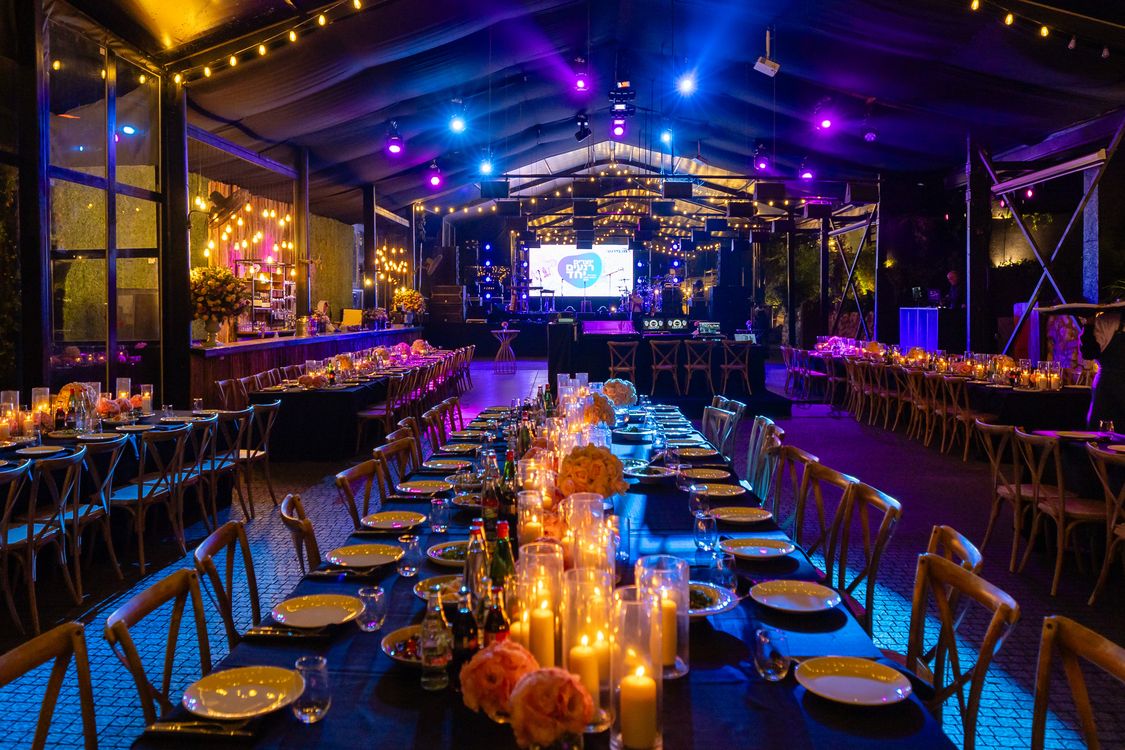
Chemistry matters because a private room is unforgiving in a way an arena never is. In a stadium, distance hides a lot. In a ballroom of 120 guests, the artist is close enough to read faces, and the audience can tell within minutes whether the performer actually wants to be there.
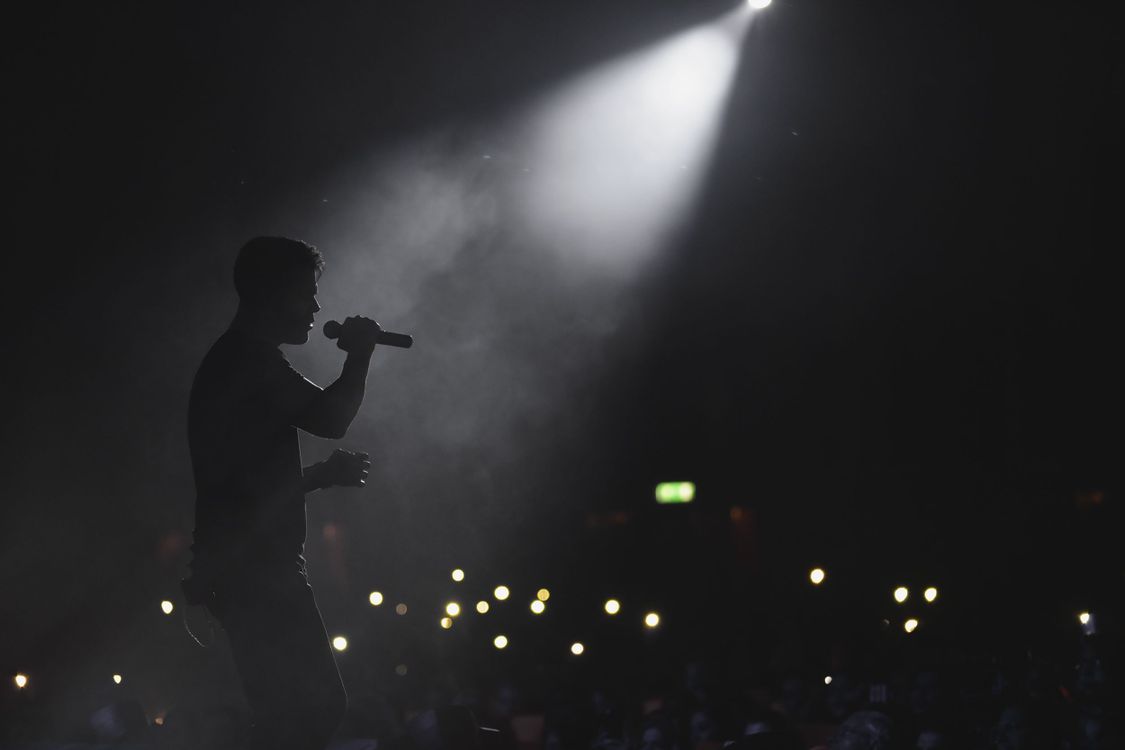
The best private performers treat a small crowd as a feature, not a limitation. They speak between songs, acknowledge the host, and adjust the energy to the room in real time. That responsiveness is why experiential moments drive behaviour so strongly, a reminder that presence and interaction, not spectacle alone, create lasting impressions.
Matching the right artist to an intimate audience is a judgement call built on experience. A performer who thrives on a festival stage can feel oversized in a drawing room, while a warmer, conversational act can hold a private gathering in the palm of their hand. Choosing well is where an agency like Abdulaiev earns its fee, and it sits at the heart of a confidential, well-matched booking.
How Should Production, Staging and Sound Be Tailored to the Venue?
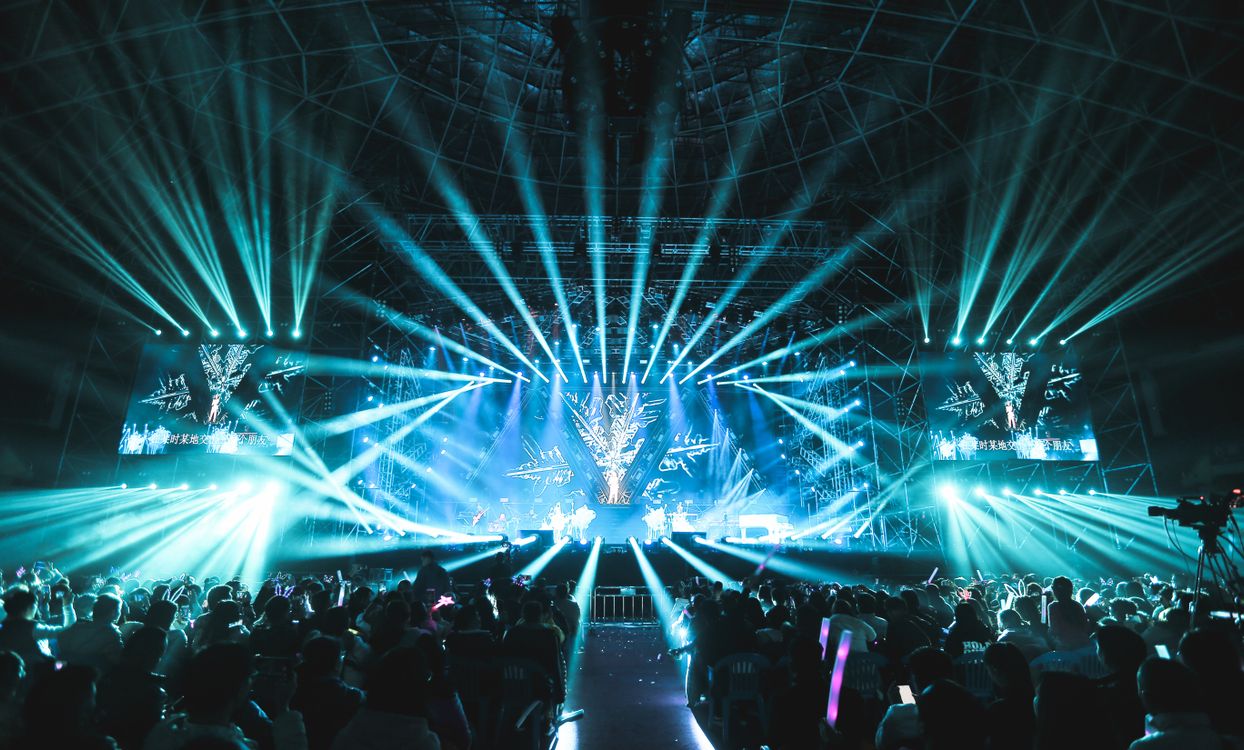
Production should be designed around the venue first and the artist second, because a rig built for a stadium rarely translates to a private room. Sound that feels powerful in an open field can overwhelm a ballroom, and lighting that reads as dramatic outdoors can look harsh against period walls.
Tailoring starts with an honest look at the space. Ceiling height, acoustics, sightlines and power supply all shape what is possible. A marquee, a historic hall and an open-air terrace each demand a different approach to staging and sound. The goal is a setup the audience never consciously notices, one that simply makes the performance feel effortless.
Scale also decides what a performance costs and how it feels. A stripped-back acoustic set can suit an intimate dinner far better than a full touring production. A smaller ensemble, such as a string quartet, can carry a room with elegance rather than volume, which often fits a refined private gathering better than a loud headline act.
Seamless Logistics and Discretion Behind the Scenes
Logistics and discretion are the invisible backbone of any world-class private event performance. When they work, no one notices. When they fail, the whole evening wobbles, no matter how talented the artist is.
Behind a single two-hour set sits a long list of moving parts: travel and accommodation, technical riders, catering preferences, security, load-in schedules and contingency plans for weather or delays. Each one is a point where an evening can quietly go wrong. Experienced agents build in margins, double-check suppliers, and keep a calm line of communication so the host never has to chase an answer.
Discretion runs alongside the logistics. Affluent hosts and high-profile performers both expect privacy, which is why non-disclosure agreements, controlled guest lists and quiet arrivals are standard practice at this level. Privacy is treated as a core requirement, not an afterthought. When an artist trusts that the room is secure and the night will not leak, they tend to relax and give a warmer, more personal performance.
Personal Touches That Make Guests Feel the Moment
Personal touches turn a strong performance into a memory that belongs to the host. These are the small, deliberate details that signal the evening was built for this audience and no one else.
They need not be elaborate. A few examples that consistently land:
- A song chosen because it means something to the couple or the guest of honour
- A short, warm acknowledgement of the host from the stage
- A set paced to the rhythm of the evening, quieter over dinner, livelier afterward
- An unannounced encore that catches the room off guard
The common thread is attention. Guests feel the difference between a generic show and one shaped around them. That feeling of being truly seen is what people remember, and it is far more valuable than any single famous song.
How 25+ Years of Experience Shapes World-Class Private Event Entertainment
Experience shapes a booking by anticipating the problems a first-time planner never sees coming. After twenty-five years and thousands of events, an agency develops a feel for which artists suit which rooms, which riders hide difficult demands, and where a timeline is likely to slip.
That accumulated judgement shows up in quiet ways. It is knowing that a particular venue has awkward acoustics, that a certain artist needs extra travel time, or that a set should end before the energy fades. It is also the depth of relationships, since long-standing trust with artists and their managers often opens doors and dates that a newer agency cannot reach.
For hosts booking at this level, that experience is the real product. The famous name draws attention, but the hundreds of small decisions around it decide whether the night feels effortless or anxious. If you are planning a high-profile celebration, start by reading how to book a celebrity for an event, then speak to a team that has handled the details before. The surest way to a world-class performance is to put experienced people between you and everything that can go wrong.
Write down your date, your venue, a rough budget and two or three artists you would love to see perform — that's all we need to come back with realistic options and honest pricing.
Start an InquiryFrequently asked questions
What separates a good private event performance from a world-class one?
A good show plays the hits. A world-class one reads the room, matches the artist to an intimate audience, and tunes production to the venue so the moment feels made for those guests alone.
How far in advance should I book a headline artist for a private event?
For in-demand names, six to twelve months is sensible. Popular dates around year-end and summer go first, and longer lead time gives room to tailor production, travel and the set list to your venue.
Why does discretion matter so much for celebrity private bookings?
High-profile guests and performers expect privacy. NDAs, controlled guest lists and quiet logistics protect reputations and let the artist relax, which almost always produces a warmer, more personal performance.
Does the venue really change which artist I should book?
Yes. A 120-seat ballroom, a marquee and an open-air terrace each demand different sound, staging and energy. The right agency matches the artist and the production to the room, not the other way around.