Private Event Entertainment: A Complete Booking Guide
Key takeaways
- Private event entertainment ranges from solo musicians and DJs to full bands and global headliners, and the right choice depends on the tone and scale of your gathering.
- Budget tiers move from emerging acts in the low thousands to A-list performers commanding well into six or seven figures for a private appearance.
- Every professional artist arrives with a rider covering hospitality, travel and technical needs, and a host who plans for these early avoids day-of problems.
- Confidentiality agreements and discreet logistics are standard practice when booking entertainment for high-profile guests.
- A specialist agency handles talent curation, contracts, riders and privacy so the host can focus on hosting.
Private event entertainment covers the performers, musicians and acts you hire to shape the atmosphere of a gathering held outside the public eye, from an intimate anniversary dinner to a black-tie charity gala. Choosing well comes down to three decisions: who fits the tone of your event, what your budget realistically supports, and how you handle the logistics and privacy that a professional booking demands. This guide walks through each of those decisions so you can approach a booking with a clear plan rather than guesswork.
The stakes are higher than most hosts expect. A performance that lands perfectly can define an entire evening in guests' memories, while a mismatched act deflates a room within minutes. The good news is that the process is learnable, and the same framework professionals use scales from a fifty-guest birthday to a thousand-seat corporate function.

What Private Event Entertainment Actually Covers
For luxury hosts, entertainment for private events spans a much wider range than a single band or DJ. It includes solo instrumentalists and vocalists for cocktail hours, jazz trios and string quartets for dinner, full show bands for dancing, comedians and speakers for corporate programs, and recording artists or headline acts for the centerpiece performance. Beyond music, it reaches into cirque-style performers, magicians, dancers and bespoke productions built for a single night.
The distinction that matters is the private setting itself. These bookings happen at estates, hotels, yachts, embassies and event venues that never appear on a public tour schedule. That privacy changes everything about how a booking is negotiated, priced and delivered. The artist is not selling tickets to your event, so their fee reflects an exclusive engagement rather than a share of box office.
The broader industry gives a sense of scale. The United States live music market was valued at $18.51 billion in 2025 and is projected to reach $26.93 billion by 2031, according to Mordor Intelligence. Private engagements draw from the same pool of talent that fuels that public market, which is why availability and pricing move with an artist's touring cycle.
Matching Talent to the Tone of Your Event
The single most useful question a host can ask is what feeling the room should have at each point in the evening. A gala honoring a cause calls for a different energy than a milestone birthday, and both differ from a corporate celebration meant to reward a sales team.
For formal galas and fundraisers, restraint usually wins. A string ensemble during arrivals, a refined vocalist over dinner, and a polished show band or a single marquee performer for the main moment keep the tone elegant. For birthdays and personal celebrations, the booking can be bolder and more personal, often built around a genre or artist the guest of honor loves. Corporate functions sit in between, where the entertainment reinforces the brand's image while still giving guests a genuine release.
Think in terms of the evening's arc rather than a single act. Many well-run events layer entertainment: ambient music during the reception, a featured performance at the peak, and a DJ or party band to carry the late hours. Matching each layer to its moment is what separates a curated program from a booking made in isolation.
Budget Tiers From Emerging Acts to Global Headliners
Budgets set the boundaries of what is possible, and the range is enormous. It helps to think in tiers.
- Emerging and local acts. Talented solo musicians, DJs and small ensembles who perform regularly in their region. This tier delivers strong value and suits cocktail hours, dinners and smaller celebrations.
- Established regional and touring artists. Performers with a real following and professional production standards, appropriate for a featured slot at a mid-size gala or corporate event.
- National recording artists. Names your guests will recognize, with fees that reflect their draw and the opportunity cost of a private date.
- Global headliners. The A-list. Booking one for a private event means competing with the economics of their public touring.
That top tier is where the numbers become striking. The Pollstar Top 100 tours grossed $8.9 billion worldwide in 2025, and the average gross for a single stadium show reached $7.11 million, up 19 percent from the prior year, per Pollstar's year-end analysis. When a headliner gives up a night that could gross seven figures publicly, their private fee reflects that trade. Setting a realistic budget early tells you which tier is genuinely in reach, so you can build a program around it rather than chasing a name you cannot land.
Managing Riders, Travel and Technical Requirements
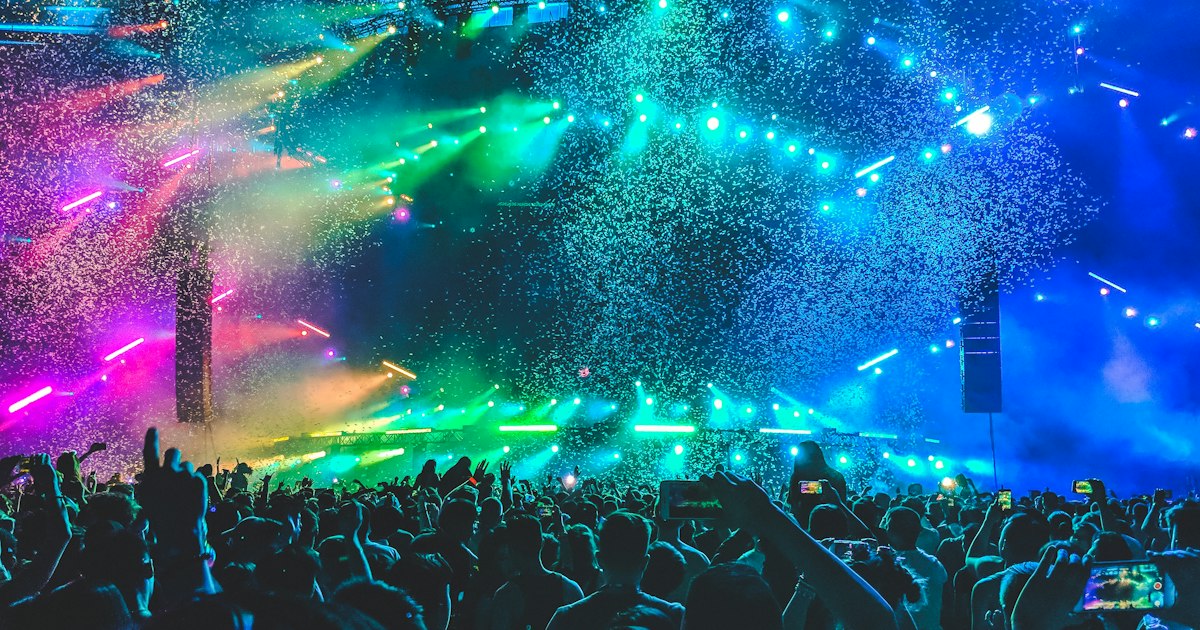
Every professional artist arrives with a rider, the document that spells out what they need to perform. It comes in two parts. The hospitality rider covers dressing rooms, catering, ground transportation and accommodation. The technical rider covers sound, lighting, staging, power and backstage layout. Reading these early, and sharing them with your venue and production team, is the difference between a smooth load-in and a scramble on the day.
Travel is its own project for out-of-town or international talent. Flights, visas for foreign performers, equipment transport, hotel blocks and local ground crew all need to be arranged and confirmed well ahead. For a large act, the traveling party can include a band, a tour manager, front-of-house and monitor engineers, and lighting and stage crew, each with their own logistics.
The technical side deserves particular attention because a stunning performer sounds ordinary through an inadequate system. Match the production to the room: a jazz trio in a ballroom needs a modest setup, while a headline act needs a full concert-grade rig with the power supply and rigging points to match. A site visit before the event, with the production team present, catches most problems while they are still cheap to solve.
How Confidentiality Protects High-Profile Guests
When the guest list includes public figures, executives or celebrities, privacy stops being a preference and becomes a requirement. Confidentiality runs in two directions. It protects the guests from unwanted attention, and it protects the host's relationships and reputation.
The standard tools are practical. Non-disclosure agreements signed by the performer and their crew keep the booking, the location and anything seen backstage private. Photography and social media policies control what leaves the room. Guest lists stay tightly held, and venue details are shared only with those who need them. Discreet security and controlled access points manage arrivals and departures without turning the evening into a spectacle.
Handled well, none of this is visible to guests. They simply enjoy an evening where they can relax, which for a high-profile attendee is a rare and valued thing. This is an area where working through an established intermediary matters, because performers and their teams are far more comfortable committing to a private date when the discretion is guaranteed by someone with a track record.
Working With an Agency to Curate a Full Program
Booking a single act is manageable on your own. Curating a full evening, negotiating contracts, coordinating riders, arranging international travel and guaranteeing confidentiality is a different scale of work, and it is where a specialist agency earns its place.
A booking agency with direct industry relationships knows who is realistically available for your date, what their private fee actually is rather than a rumored figure, and how to structure a deal that protects you. This is the work Abdulaiev has done for more than 25 years, matching world-class artists to private events, corporate functions and galas for clients who need the result handled quietly and completely. The agency curates the talent, manages the contracts and riders, coordinates logistics and holds the confidentiality, so the host is free to host.
The value shows up most clearly in the details a first-time booker never sees coming: the artist whose tour routing makes your date affordable, the production requirement that would have derailed the room, the clause that keeps your event out of the press. An experienced partner anticipates these before they become problems.
Where to Start
Begin by defining two things: the feeling you want the room to have, and the budget you can commit. With those settled, you can have a productive first conversation with a booking specialist about who is genuinely available and what a full program would look like. Reach out with your date, your venue and a rough guest count, and ask for two or three talent options across different tiers so you can see the range before you decide. That single step turns an intimidating process into a clear set of choices.
Write down your date, your venue, a rough budget and two or three artists you would love to see perform — that's all we need to come back with realistic options and honest pricing.
Start an InquiryFrequently asked questions
How far in advance should I book entertainment for a private event?
For well-known artists, three to six months is common because their calendars fill quickly. Emerging or local acts can often be secured within a few weeks.
What is a technical rider?
A technical rider is the document an artist provides listing the sound, lighting, staging and backstage requirements needed for their performance. It tells your venue and production team exactly what to prepare.
Can I book a famous artist for a private party?
Yes. Many touring artists accept private bookings for the right fee, though availability depends on their tour schedule. An agency with direct industry relationships can confirm who is realistically available for your date.
How is guest privacy protected at high-profile events?
Through non-disclosure agreements signed by performers and crew, controlled guest lists, restricted photography and discreet logistics coordinated by the agency and event team.