How to Hire Dancers for a Luxury Wedding

Key takeaways
- Book professional dancers 3 to 6 months out so choreography, rehearsals and venue logistics all align before the date.
- Match the style to the moment: elegant partner work for the ceremony, high-energy showcase acts for the reception, club-driven sets for the after-party.
- The Knot reports choreography sessions run roughly $90 to $220 each, with full first-dance packages around $500 to $2,500.
- Confirm floor size, surface and ceiling clearance early, since lifts and group numbers need safe, level space.
- Give your band or DJ the exact tracks, edits and cue points in advance to keep transitions clean.
Start by deciding what the dancers should do: support your first dance, surprise guests with a flash mob, or headline the reception with a showcase act. Once that is clear, book professionals three to six months out so choreography, rehearsals, costumes and venue logistics line up before the date. The real work of hiring dancers for a wedding is matching the right style to each moment, then coordinating space, music and timing so every number feels effortless.
Affluent couples increasingly treat dance as the centerpiece of the celebration rather than a filler between courses. A well-cast troupe turns a reception into a performance guests talk about for years. The sections below walk through act types, styles, budgets, safety and a planning checklist you can hand straight to your venue.
What Kind of Dance Acts Can You Hire?
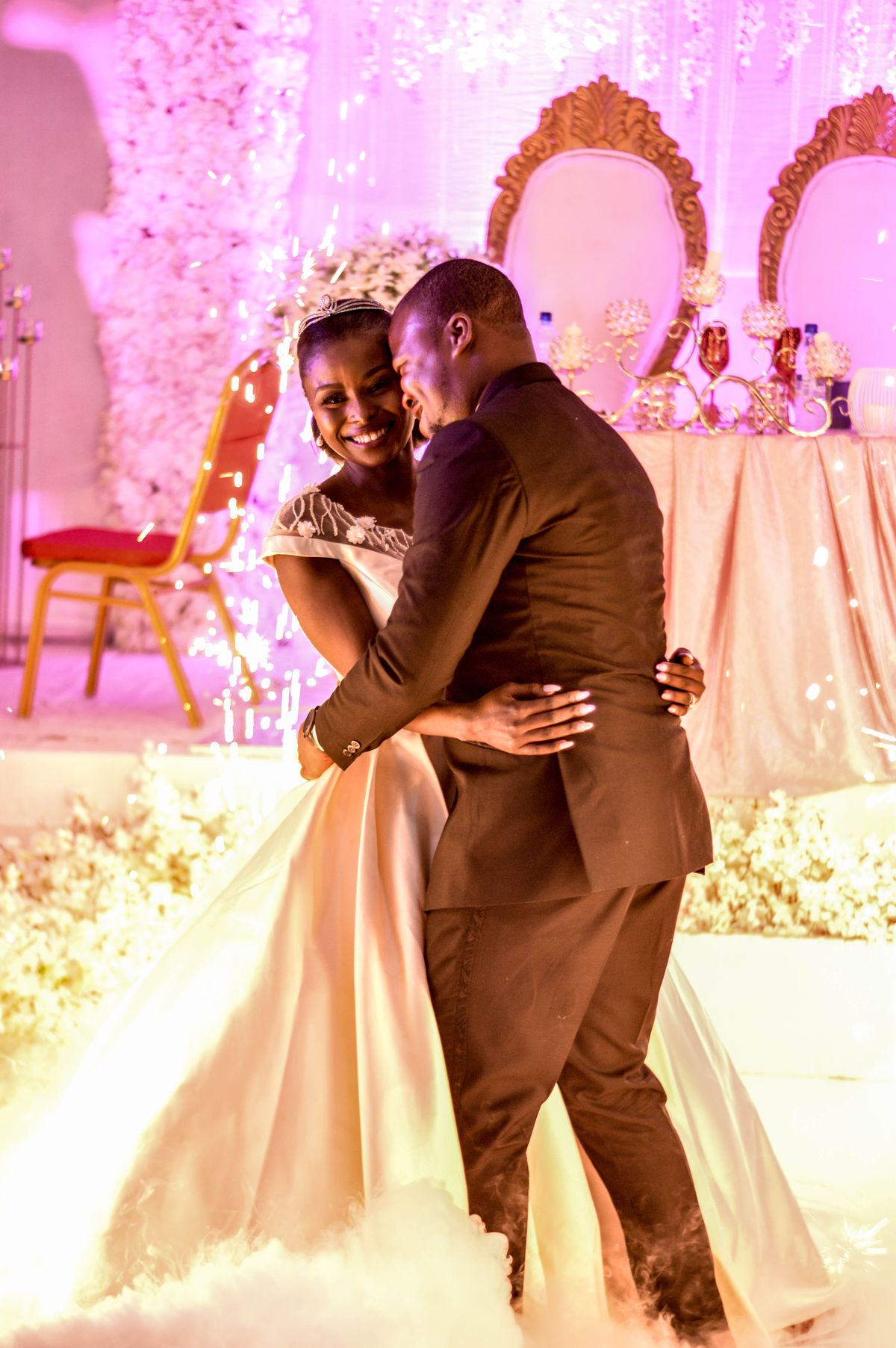
Three formats dominate luxury weddings: choreographed first-dance support, surprise flash mobs and professional showcase acts. In 2026, music and live entertainment account for about 6% of the average wedding budget, with guest entertainment adding another 3%, according to The Knot's budget breakdown drawn from its Real Weddings Study of 10,474 couples (The Knot, 2026). That gives most couples real room to invest in performers.
Choreographed first-dance support pairs you with a coach who builds a routine around your ability and song. Flash mobs plant trained dancers among the guests, then erupt mid-reception to pull everyone onto the floor. Showcase acts are the headline: a professional troupe performing a polished number while guests watch.
For a broader look at how these formats work across celebrations, see our guide on how to hire dancers for parties and private events.
First-dance support
A good coach adapts the choreography to you, not the other way around. They layer in difficulty only where you are comfortable, so the routine looks confident rather than rehearsed into stiffness.
Flash mobs and showcase numbers
Flash mobs reward surprise and tight timing. Showcase acts reward rehearsal space and a clear slot in the run of show. Both need the band or DJ briefed well in advance.
Which Dance Styles Suit the Ceremony, Reception and After-Party?
Match the style to the moment. Ceremonies and first dances call for elegant partner work; receptions suit high-energy showcase pieces; after-parties lean toward club-driven sets. The Knot reports that 71% of couples hire a DJ while only 12% book a live band, which shapes how late-night dance sets are powered (The Knot, 2026).
For the ceremony and first dance, ballroom styles such as the waltz, foxtrot or rumba read as timeless, and contemporary partner work suits couples who want something more cinematic. The reception is where showcase acts shine: Latin numbers, ballet interludes or commercial choreography raise the energy without overwhelming dinner.
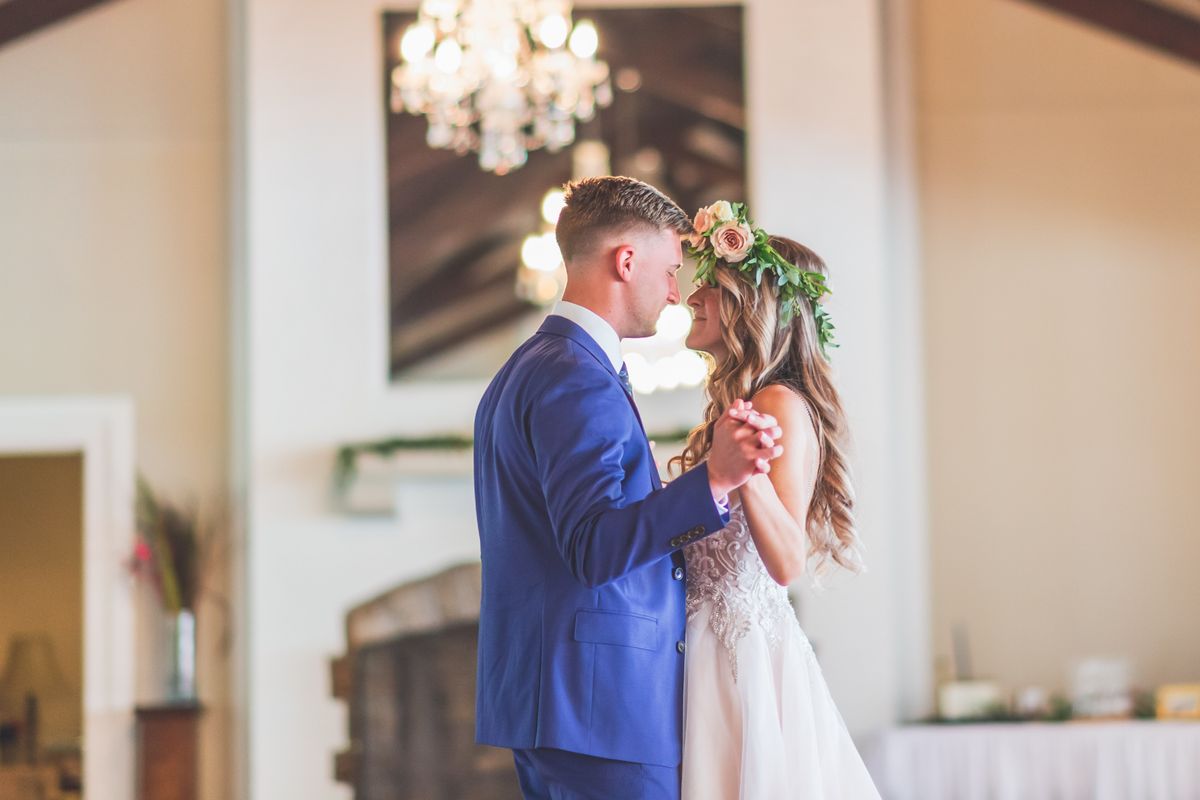
The after-party changes gear. This is the moment for street, Latin club or commercial styles that get guests moving until late. Pairing a dance troupe with the right DJ keeps the floor full. Our overview of how private event entertainment booking works explains how these pieces fit a wider program.
Keep transitions coherent
Style variety is good, but abrupt shifts feel jarring. Sequence the acts so the energy builds rather than lurching between genres.
What Does It Cost, and How Many Rehearsals Do You Need?
Expect choreography sessions to run roughly $90 to $220 each, with full first-dance packages around $500 to $2,500 for a block of lessons, per The Knot's guide to learning a choreographed wedding dance (The Knot, 2025). Showcase troupes and flash mobs are quoted per performance after a short brief, and travel, costumes and crew sit on top.
The same guide recommends about five lessons for a first dance, spaced 7 to 14 days apart, starting two to three months before the wedding. That cadence gives muscle memory time to settle so nerves on the night do not undo the work. For context, the average U.S. wedding cost around $33,000, down about $2,000 from the prior year, according to The Knot Worldwide (The Knot Worldwide, 2025). Dance entertainment is a modest slice of that total for the impact it delivers.
Coordination with your band or DJ is where budgets quietly succeed or fail. Give the music team the exact tracks, edits and cue points ahead of time, and schedule one technical rehearsal where the troupe, the band or DJ and the lighting crew run the numbers together. Having all performers under one agency simplifies this; Abdulaiev coordinates dancers alongside headline musicians so a single team owns the run of show.
Where a booking agency earns its fee
A specialist agency handles casting, contracts, travel and on-site cueing. Choosing the right partner matters, and our guide on how to choose the best artist booking agency covers what to look for.
What Space, Flooring and Timing Do Dancers Need?
Dancers need a level, non-slip floor with clear sightlines, plus enough width and ceiling height for lifts and group numbers. Treat this as a genuine safety requirement. General workplace guidance from OSHA treats slip, trip and fall hazards on walking and working surfaces as a leading cause of injury, which is why a stable, even performance surface comes first (OSHA, 2026).
Confirm the exact floor dimensions, surface type and any power access with your venue before the troupe arrives. Portable parquet floors solve uneven or carpeted spaces, but they must be laid flat and seamed properly. Outdoor and tented receptions add their own risks: dew, uneven ground and low rigging all threaten a clean lift.
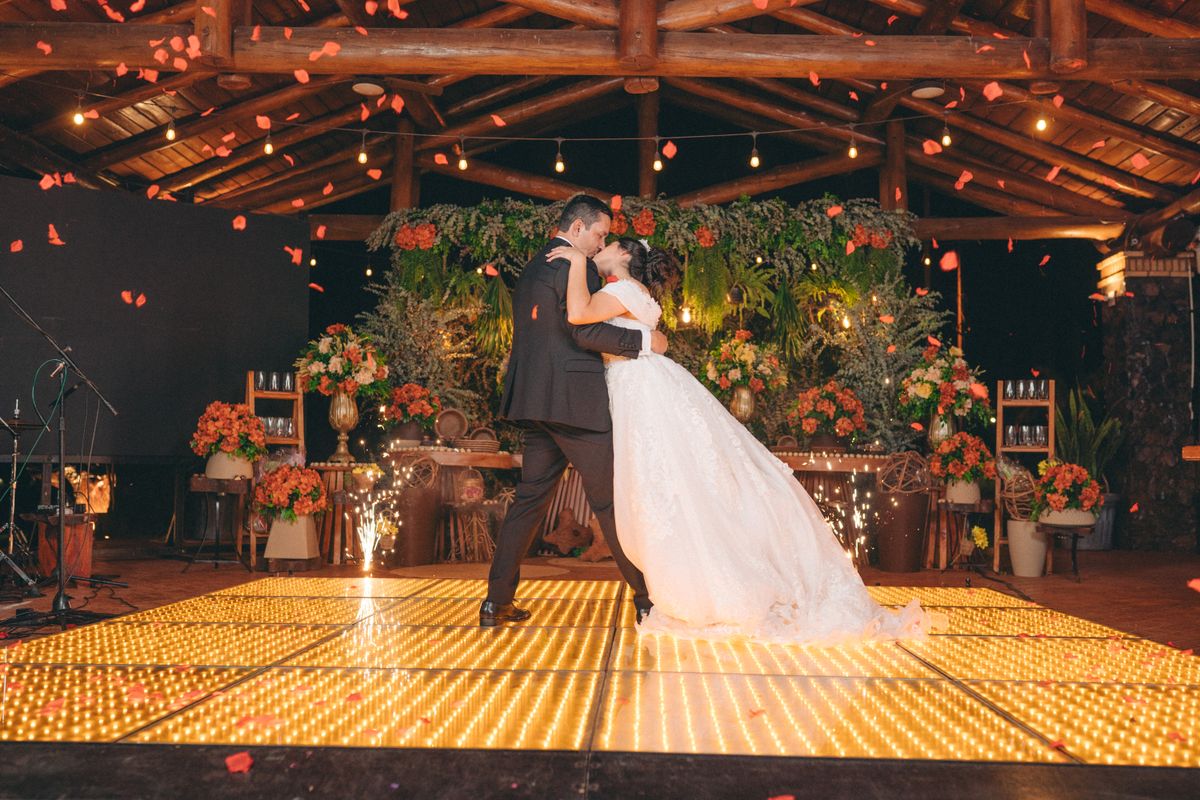
Timing is the other half of safety. Build a short sound check and a floor check into the schedule, and keep heeled shoes, drinks and loose cabling off the performance area during numbers. A professional troupe will walk the space before guests arrive.
A Planning Checklist for Flawless Wedding Dance Entertainment
Use this sequence to keep the booking on track:
- Define the moments. Decide where dance appears: first dance, reception showcase, flash mob, after-party. Assign a rough slot to each.
- Book three to six months out. This covers casting, choreography, fittings and rehearsals without a rush.
- Match styles to moments. Elegant partner work for the ceremony, showcase acts for the reception, club styles for the after-party.
- Set the budget. Allow for choreography sessions, performance fees, travel and costumes, then confirm what is included in writing.
- Lock the music. Send exact tracks, edits and cue points to the band or DJ, and schedule one technical rehearsal.
- Verify the space. Confirm floor size, surface, ceiling height and power with the venue, and arrange a floor check on the day.
- Set the run of show. Agree entrances, lighting cues and transitions so acts build rather than clash.
A single team handling all of this removes the gaps where mistakes hide. Abdulaiev brings 25-plus years of booking world-class performers for private weddings and galas, coordinating dancers, musicians and crew under one contract so your day runs to a professional standard.
The next concrete step is simple: write down the three dance moments you want, set a target budget for each, and brief a specialist agency so casting and choreography can begin while the best troupes are still available.
Write down your date, your venue, a rough budget and two or three artists you would love to see perform — that's all we need to come back with realistic options and honest pricing.
Start an InquiryFrequently asked questions
How far in advance should I hire dancers for a wedding?
Book three to six months ahead. That window covers casting, choreography, costume fittings and several rehearsals. The Knot recommends about five first-dance lessons spaced 7 to 14 days apart, starting two to three months before the wedding.
How much does it cost to hire wedding dancers?
Costs vary by act size and travel. The Knot lists choreography sessions at roughly $90 to $220 each, with full first-dance packages around $500 to $2,500. Showcase troupes and flash mobs are quoted per performance after a brief.
What dance styles work best for a luxury wedding?
Ballroom and contemporary partner work suit ceremonies and first dances. Showcase acts such as Latin, ballet or commercial choreography lift the reception. DJ-led street and club styles energize the after-party.
What space do dancers need to perform safely?
A level, non-slip floor with clear sightlines. Lifts and group numbers need extra width and ceiling height. Confirm dimensions, surface type and power access with your venue before the troupe rehearses on site.
Can dancers coordinate with my band or DJ?
Yes. Share the exact tracks, edits and cue points in advance. A short technical rehearsal lets the troupe, band or DJ and lighting team lock timing so entrances and transitions land cleanly.