How to Book Robbie Williams for a Private or Corporate Event
Key takeaways
- A Robbie Williams booking is a full stadium-grade production, so budget for the artist fee plus band, crew, travel and a detailed hospitality rider.
- Serious enquiries typically need 6 to 12 months of lead time, and routing around his tour schedule often decides whether a date is even possible.
- Williams holds 18 BRIT Awards, the most won by any individual artist, which is why he commands headline status at galas and corporate shows.
- The booking runs through a confidential enquiry to a contract and rider, handled by a specialist agency that already has access to his representatives.
- Design the show around your guests: a tailored setlist, the right band size and a production brief matched to your venue all shape the final cost.
A Robbie Williams booking starts with a confidential enquiry to a specialist agency that holds direct relationships with his representatives, not a public ticket line. Expect a six to twelve month lead time, a fee that reflects a full touring production, and a contract backed by a detailed technical and hospitality rider. This guide walks through what the money buys, how routing and exclusivity shape your date, and how the enquiry turns into a signed show.
Williams is one of the most decorated live performers of his generation. He holds 18 BRIT Awards, the most won by any individual artist, which is why he sits firmly in the headline category for galas and high-profile corporate events. Booking him is a serious undertaking, and knowing the process in advance saves time and avoids false starts.
Robbie Williams as a headline act for galas, corporate shows and private parties
Williams is built for the stage. His catalogue spans arena anthems and crowd singalongs, and his delivery works whether the room holds three hundred guests or thirty thousand. For a gala or corporate audience, that range matters: he can carry a full headline concert or deliver a tighter, high-energy set tuned to a seated dinner crowd.
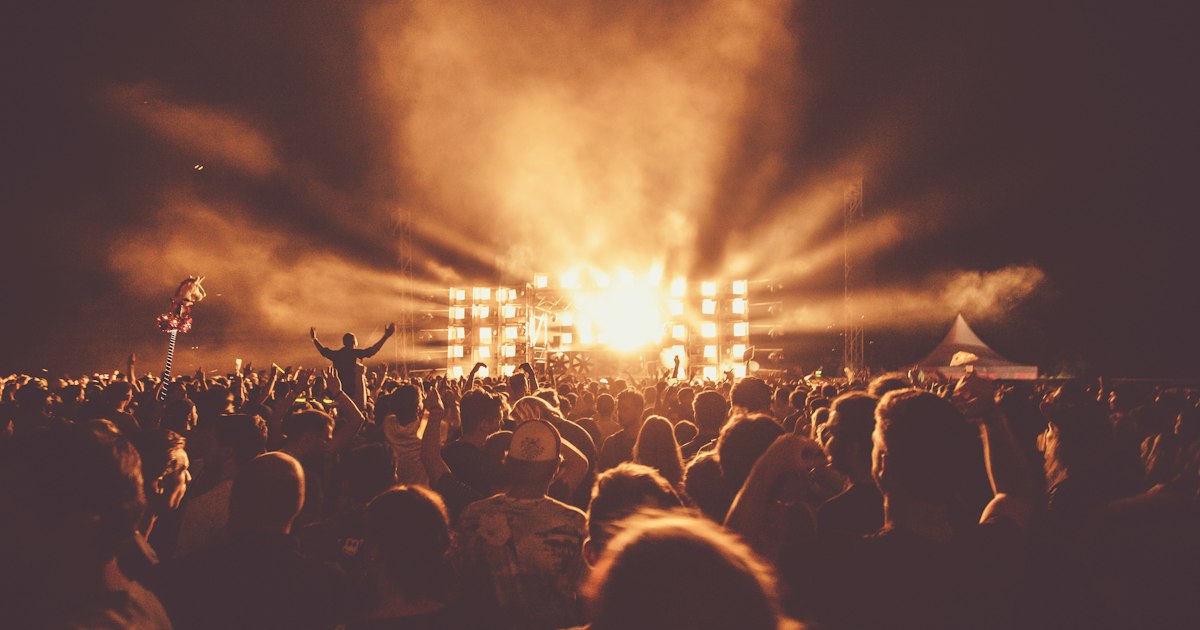
His commercial pull is genuine. His recent Britpop Tour sold out stadiums across Europe and drew well over a million ticket buyers worldwide. That level of demand is the backdrop to any private booking: his time is scarce, and private dates compete directly with lucrative public shows.
For event hosts, the appeal is simple. A Williams performance is a centrepiece that guests remember, and it signals the scale of the occasion. Corporate planners use that effect deliberately, and the market reflects the appetite for it. The corporate events market is estimated at USD 369.7 billion in 2026, which gives a sense of how much organisations invest in standout experiences.
Fee ranges, band size and the full technical and hospitality rider
There is no fixed price for an artist at this level. A Robbie Williams booking is a touring production in miniature, and the quoted fee reflects far more than the artist alone. Plan for the following cost components:
- The artist performance fee itself, which for a headliner of his standing sits well into six figures and frequently higher.
- The live band, typically a full ensemble with musical director, backing vocalists and rhythm section.
- Technical crew, including front-of-house sound, monitors, lighting and stage management.
- Travel, accommodation and per diems for the touring party, scaled to the territory.
- Local production: staging, PA, lighting rig and backline hired to meet the rider.
The technical rider is a detailed document. It specifies stage dimensions, power requirements, sound system specification, monitoring, lighting and sightlines. A seasoned agency reads this against your venue early, because a room that cannot meet the rider either needs significant production hire or rules the date out. The hospitality rider covers dressing rooms, catering, security and transport for the party. None of this is negotiable guesswork; it is a fixed standard the performance depends on.
The practical takeaway is to set a realistic budget before you fall in love with a date. A clear total that covers artist, band, crew and production avoids the awkward moment where the headline fee fits but the surrounding costs do not.
Routing, exclusivity windows and realistic booking lead times
Availability, not budget, is usually the first hurdle. Williams tours internationally on long cycles, and his single-day ticket records underline how heavily his calendar is booked around public demand. A private date has to slot into that routing.
Two factors shape whether your date is possible:
- Routing. A date near an existing tour leg in the same region is far easier to secure than an isolated show that forces the whole party to travel for one night. If your date aligns with where he already is, the economics and logistics improve sharply.
- Exclusivity windows. Promoters of public shows often negotiate clauses that restrict nearby private performances within a set period. A specialist agency checks these before promising anything.
On timing, treat six to twelve months as the working minimum for a serious enquiry. Shorter windows are occasionally possible when routing happens to favour you, but they are the exception. The earlier you start, the more leverage you have over the date, and the more room there is to resolve the rider and production around your venue.
The discreet enquiry-to-contract process with a specialist agency
Nobody at this level responds to a cold form sent to a public inbox. The booking runs through an agency that already holds working relationships with the artist's management, and the process is deliberately confidential at every step.
Here is how a typical enquiry progresses:
- Confidential brief. You share the date, territory, venue, guest count, budget range and the kind of show you want. Discretion is assumed, and affluent clients often require it contractually.
- Availability and feasibility check. The agency tests the date against routing and exclusivity windows and raises any red flags before you commit emotionally to a plan.
- Indicative offer. You receive a realistic cost structure covering artist, band, crew, travel and production, so the numbers are honest from the start.
- Negotiation. Terms, set length, format and rider specifics are agreed with management.
- Contract and rider. A formal agreement locks the date, deliverables, payment schedule and both riders. This is the point at which the booking becomes real.
A well-run agency acts as a single point of accountability through all of this. Abdulaiev, for example, brings 25 years of booking world-class artists for private events, corporate functions and galas, and handles the confidential enquiry, contract and rider end to end. If you are weighing who to work with, our guide on how to choose the best artist booking agency sets out the questions worth asking before you sign anything.
Designing the show: setlist, production and guest experience
Once the date is secured, the work shifts to the show itself. This is where a booking stops being a transaction and becomes an event guests talk about afterwards.
Start with the setlist. For a corporate audience you might want the big, recognisable anthems front-loaded to lift the room quickly. For a private celebration, you can request specific songs that mean something to the host or the occasion, subject to what the artist agrees to perform. Set length is part of the contract, so decide early whether you want a full headline concert or a shorter, punchier set.
Production should match the venue, not fight it. A marquee, a ballroom and a stadium each demand different staging, sound and lighting, and the rider is your reference point for what the performance needs to land. Work backwards from the guest experience: sightlines, sound coverage, the moment of reveal and how the set fits the wider run of the evening.
Finally, think about the whole guest journey around the performance. Arrival, dinner, the build-up to the show and what follows it all affect how the headline act is received. A confident production plan treats Williams as the centrepiece of a well-paced evening rather than a bolt-on.
Book the date first, design the show second. If you have a venue and a window in mind, the next concrete step is to send a confidential brief to a specialist agency so the availability and routing checks can begin while your preferred date is still open.
Write down your date, your venue, a rough budget and two or three artists you would love to see perform — that's all we need to come back with realistic options and honest pricing.
Start an InquiryFrequently asked questions
How much does it cost to book Robbie Williams?
Fees for an artist of his stature run well into six and often seven figures once the full band, crew, production and travel are included. An exact figure depends on the date, territory and show format, which a specialist agency confirms during the enquiry.
How far in advance should I book Robbie Williams?
Plan for 6 to 12 months. His availability is shaped by tour routing and exclusivity windows, so the earlier you enquire, the more realistic your preferred date becomes.
Can Robbie Williams perform at a private party rather than a corporate show?
Yes. He performs at private parties, corporate functions and galas, with the band size and set length tailored to the event and venue.
Do I contact Robbie Williams directly or through an agency?
Private and corporate bookings go through a specialist agency that holds relationships with his representatives and manages the confidential enquiry, contract and rider.