How to Book Entertainment for a Charity Gala

Key takeaways
- Choose entertainment that fits your cause and the fundraising moments, not just a famous name, so the program lifts donations rather than competing with them.
- U.S. charitable giving reached $617.20 billion in 2025, so a well-produced gala sits in a strong fundraising climate (Giving USA, 2026).
- Live auctions pull high-value donors: the average auction donor gives $529 versus $191 for other social donors (OneCause, 2025).
- Treat entertainment as a line item measured against net proceeds, and ask every artist about reduced or pro bono terms for registered charities.
- Lock talent early, confirm the rider and run a minute-by-minute program so music, host and auction reinforce each other.
Good charity gala entertainment booking starts with one question: will this talent help you raise more money for the cause? Pick acts, hosts and an auctioneer that pull attention toward the fundraising moments, then build the budget so the cost of talent never outruns the net proceeds. Everything else, from the headline name to the technical rider, follows from that goal.
The fundraising climate rewards the effort. U.S. charitable giving reached $617.20 billion in 2025, up 5.7% and past the $600 billion mark for the first time (Giving USA, 2026). A gala that programs entertainment with intent can capture a real share of that generosity.
Start Charity Gala Entertainment Booking With Your Cause
The best gala entertainment makes people feel something, then makes them want to give. Start with your cause and your guests, not a wish list of famous names. A medical charity with an older donor base wants a different room than a youth arts foundation. Match the tone, the era and the energy to the people who will be writing cheques that night.
Fit matters more than fame. A headliner who means nothing to your table captains is a weaker investment than a mid-tier act your donors adore. If you are weighing a specific star, read a grounded cost breakdown first, such as our guide to the Robbie Williams private event costs and tips, so expectations stay realistic before you commit.
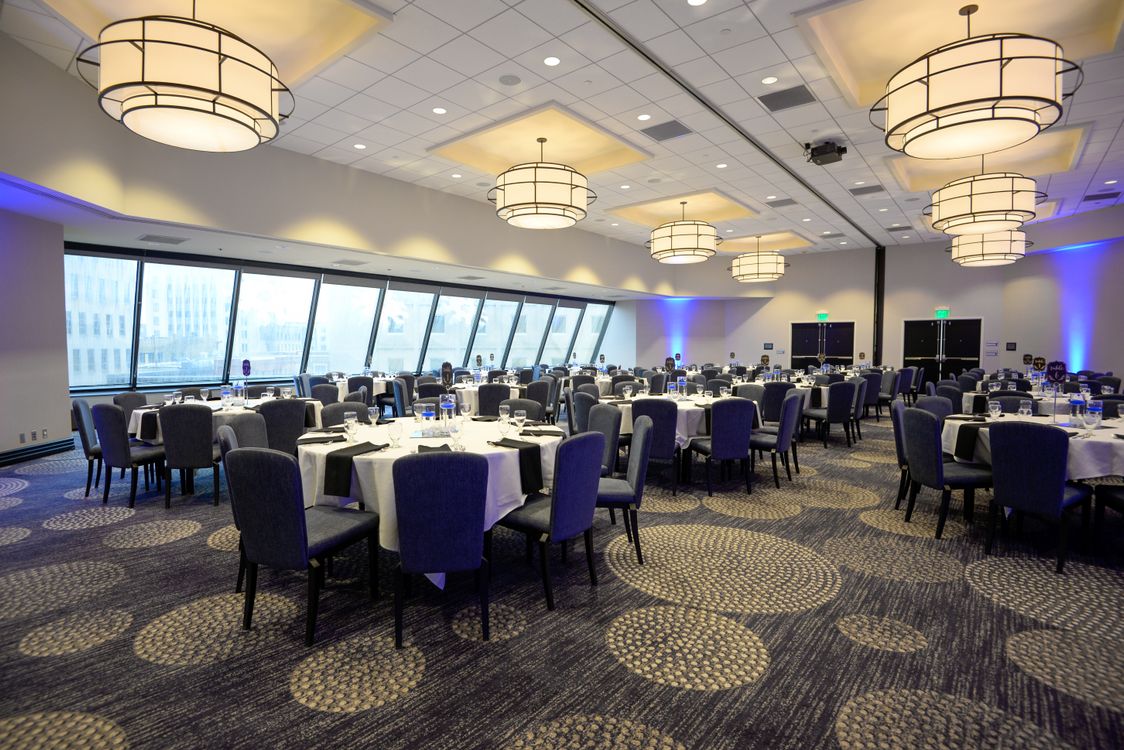
Ask three questions of any act: does it suit the room, does it leave space for the appeal, and does the artist genuinely support causes like yours? When those line up, the performance stops being decoration and becomes part of the fundraising engine.
Headline Acts, Hosts and Auctioneers That Drive Donations
The person on the microphone often raises more than the headline band. Live auctions prove the point. The average auction donor gives $529, against $191 for other social donors, nearly three times more (OneCause via Giving USA, 2025). A skilled auctioneer turns that potential into cash on the night.
Think of your lineup in three roles. The headline act sets the emotional high point and gives guests a reason to buy a ticket. The host carries the room between courses, keeps energy up and introduces the cause with warmth. The auctioneer, or the benefit auctioneer paired with your host, runs the fund-a-need and live lots.

Chemistry between these roles matters. A charismatic host who hands off smoothly to a confident auctioneer keeps momentum through the giving moment. Look for a host who can read a room, land a joke and then turn serious the instant the cause takes the stage.
Where a specialist agency helps
Securing a recognisable name, a strong host and an auctioneer who work well together is exactly what an experienced booking partner does daily. Abdulaiev has spent more than 25 years matching world-class artists to private and charitable events, which means the shortlist you see is already filtered for fit, availability and discretion rather than guesswork.
Program Entertainment Around the Fundraising Moments
Entertainment should frame the ask, never bury it. The data shows why the room is worth building carefully: among nonprofit professionals, 77% reported consistent or increased auction revenue and 90% expect the trend to continue (OneCause via Giving USA, 2025). Those results come from pacing, not luck.
Map the evening as a curve. Open with light, social entertainment during reception and dinner so guests relax and talk. Build toward the mission moment, when a short film or beneficiary story sets up the appeal. Hold the headline performance until after the serious giving, as a reward and a release, so no one is distracted during the auction.
Silence has value too. Cut the music during the fund-a-need so the auctioneer owns the room. A good program leaves clear air around every ask and uses the acts to lift energy back up once pledges are in. The rhythm of tension and release is what carries a room from polite applause to open wallets.
Negotiate Reduced or Pro Bono Appearances
Some artists will cut their fee or donate a short set when the cause genuinely moves them, though you should never assume it. The ask works best when it is specific and personal: name the charity, explain the impact, and show how the appearance connects to something the artist cares about. Registered charity status and a clear beneficiary make the request easier to grant.
Even a donated performance carries real costs. Travel, accommodation, a backing band, sound and lighting rarely come free, so budget for them regardless. Clarify early what the artist covers and what you do. A reduced fee with a hefty rider can cost more than a modest full fee, so read the detail. Our client's guide to understanding artist riders breaks down what those requirements usually include.
Put every concession in writing. A verbal promise of a free appearance means little once logistics get complicated. Confirm the length of the set, the arrival window and any publicity the artist expects in return, then sign it.
Budget So Entertainment Protects Net Proceeds
Size entertainment against net proceeds, not gross ticket sales, because the money that matters is what reaches the cause. Galas can carry serious revenue to protect: nonprofit galas averaged $433,227 in event revenue with 348 attendees in 2025, and total gala revenues rose 14% from 2022 to 2025 (Raising Paddles, 2025). A single talent decision can swing that figure either way.

Build a simple model. Start with your fundraising target, subtract fixed costs like venue and catering, then set a ceiling for entertainment that still leaves a strong margin. Test the lineup against that ceiling before you fall in love with a name. Underwriting helps: a sponsor who covers the headline fee lets every auction dollar flow straight to the mission.
Remember that digital giving runs alongside the room. Online nonprofit revenue rose 15% in 2025, with monthly giving making up 27% of all online revenue (M+R Benchmarks, 2026). A memorable performance gives you content and momentum to convert attendees into recurring donors long after the night ends.
Steps to Confirm and Coordinate the Lineup
Once the talent is chosen, tight coordination turns a booking into a smooth night. Lock contracts early, confirm the technical rider, and run a detailed schedule so music, host and auction reinforce each other. The work here is unglamorous, but it protects both the experience and the proceeds.
A practical sequence looks like this:
- Confirm availability and hold dates for headline act, host and auctioneer before announcing the gala.
- Sign contracts covering fees, set length, cancellation terms and any reduced or pro bono conditions.
- Review the rider for sound, lighting, staging, green room and hospitality needs, and share it with your venue.
- Build a run sheet minute by minute, placing performances around dinner, the mission moment and the auction.
- Brief everyone at a production meeting so host, auctioneer, band and venue crew share one timeline.
- Rehearse the handoffs between host and auctioneer so the giving moment never loses energy.
Before you sign with any supplier, vet them properly. Our guide to vetting a celebrity booking agency and the red flags to avoid will save you from the most common and costly mistakes.
Your next step is concrete: write your fundraising target at the top of a page, set an entertainment ceiling beneath it, then draw up a three-name shortlist of act, host and auctioneer that fits both. With those numbers and names in hand, a specialist booking partner can check real availability and turn the plan into a confirmed lineup.
Write down your date, your venue, a rough budget and two or three artists you would love to see perform — that's all we need to come back with realistic options and honest pricing.
Start an InquiryFrequently asked questions
How far ahead should I book gala entertainment?
Aim for six to twelve months for headline acts and in-demand hosts. Popular artists and auctioneers book out fast during the autumn and spring gala seasons, and early contact gives you room to negotiate fees and travel.
Will a celebrity perform at a charity gala for free?
Some will reduce their fee or donate a short appearance when the cause aligns with their values, but this is never guaranteed. Expect to cover travel, accommodation and technical costs even for a pro bono set, and get any reduced terms in writing.
How much of a gala budget should go to entertainment?
There is no fixed rule, but entertainment should be sized against expected net proceeds, not gross ticket sales. Model the lineup against your fundraising target so the cost of talent never eats the money raised for the cause.
What drives the most donations at a gala?
A skilled auctioneer or host paired with a clear fundraising moment tends to move the most money. Average auction donors give nearly three times more than other social donors, so the person on the microphone matters as much as the headline act (OneCause, 2025).