How to Book a String Quartet for a Luxury Wedding
Key takeaways
- A string quartet suits the processional, the signing of the register, cocktail hour and dinner, where live acoustic music carries a room without overwhelming conversation.
- A quartet covers classical, pop and film arrangements; a trio trims cost and footprint, while adding musicians widens the sound for larger venues.
- Placement, timing and the room's acoustics shape how strings carry, so confirm these alongside the setlist well before the day.
- Expect a quote shaped by player count, performance hours, travel, arrangement requests and the venue, not a single flat rate.
- Book early, request the specific arrangements you want, and confirm cue points with your planner so transitions land on time.
String quartet wedding booking comes down to five decisions: where the strings play, what they play, how many musicians you hire, how the room carries the sound, and what the quote covers. Settle those early and the rest follows, because the quartet becomes part of the day's structure rather than a last-minute add-on. This guide walks through each decision in order so you can brief a quartet with confidence.
Live strings are one of the few touches that work from the first guest arriving to the last toast. They fill silence gracefully, they scale from intimate to grand, and they signal care without needing a stage show.
Where a String Quartet Elevates the Ceremony and Reception
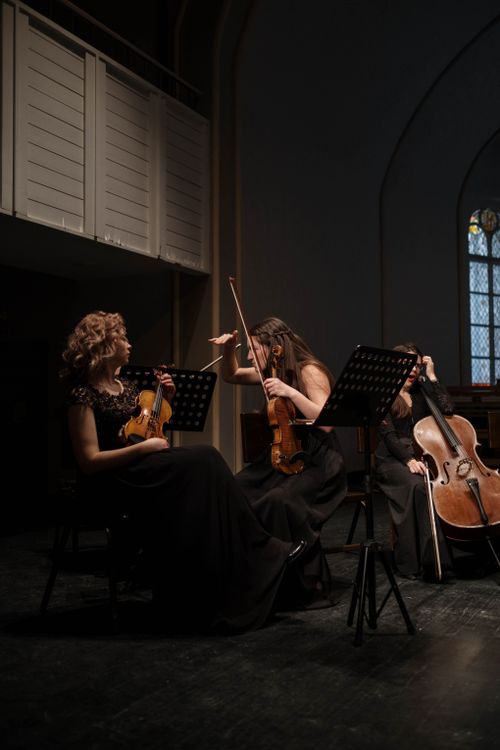
A quartet earns its place at the moments that need atmosphere without noise. The strongest fits are:
- The prelude, as guests arrive and take their seats. Soft, unobtrusive music settles a room and masks the awkward quiet before a ceremony begins.
- The processional and recessional, where a single piece marks the walk down the aisle and the celebratory exit. These are the cues most couples care most about getting right.
- The signing of the register or any interlude, a natural gap that live music fills without a break in mood.
- Cocktail hour, where strings carry conversation rather than compete with it.
- The dinner service, when guests want ambience, not a dance floor.
The common thread is that a quartet shines wherever you want presence and polish while people are talking, mingling or moving. Once the party turns to dancing later in the night, most couples switch to a band or DJ. If you are weighing a full live act for that later slot, the thinking in our guide to booking a jazz band for a private or corporate event applies to weddings too.
Classical, Pop and Film Repertoire Options
A common misconception is that a quartet means wall-to-wall Pachelbel. Professional wedding quartets carry three broad categories, and most couples blend them across the day.
Classical remains the backbone for the ceremony itself. Canon in D, Air on the G String, Ave Maria and the Bridal Chorus are requested constantly because they carry the weight the moment calls for.
Pop arrangements have become the way couples make the music feel personal. Quartets routinely play string versions of songs by artists from Coldplay to Adele, and these land especially well during the signing, cocktail hour or a first-dance preview.
Film and television scores sit neatly between the two. Themes from well-known films translate beautifully to strings and give guests a familiar, cinematic lift without feeling like a wedding cliche.
If there is a particular song that matters to you, ask whether the quartet will prepare a custom arrangement. Most will, provided you give them enough notice to write and rehearse it.
Choosing Between Quartet, Trio and Larger Ensembles
The standard string quartet is two violins, a viola and a cello. That combination gives you the full harmonic range, from a bright melody line down to a warm bass, which is why it is the default for weddings.
You have room to flex either way:
- A string trio (violin, viola, cello) trims one player from the quote and takes up less space. The sound is slightly leaner, but in an intimate venue most guests will not notice the difference.
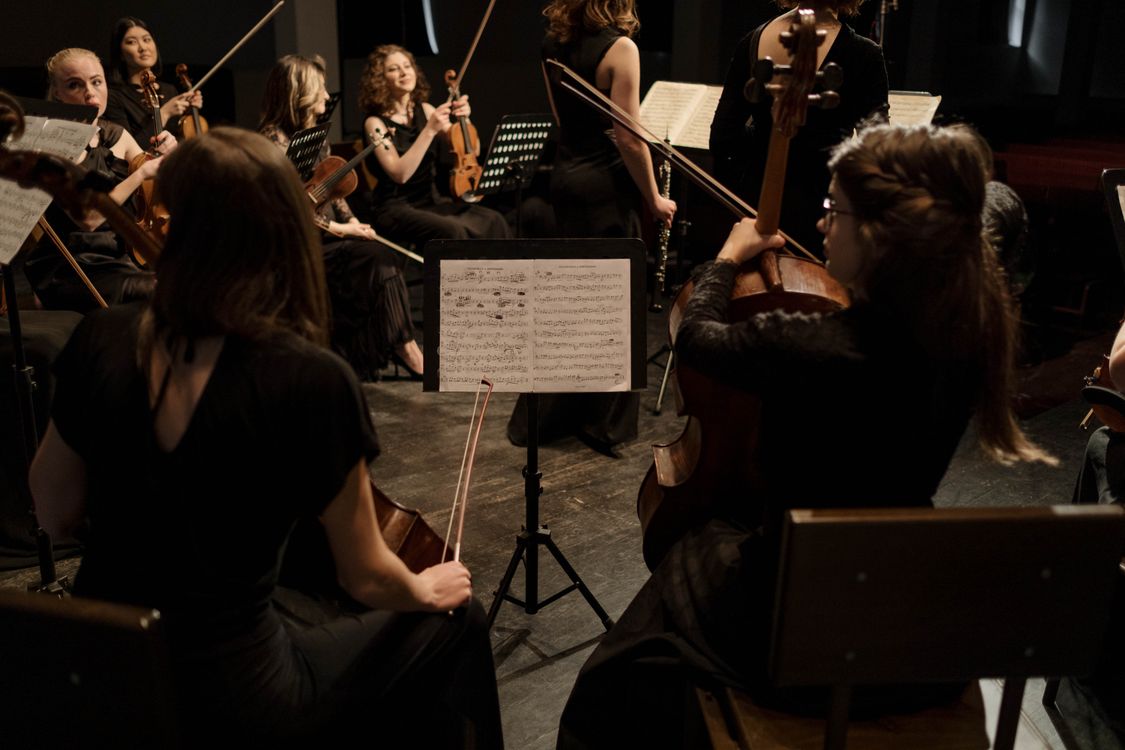
- A quintet or small ensemble adds a second cello, a double bass or a wind instrument to fill a larger or more reverberant room. This is worth considering for grand halls, high ceilings or outdoor settings where a quartet alone can feel thin.
Size is a function of your space and budget, not prestige. A well-placed trio in the right room will always outperform a larger group fighting bad acoustics. If your wedding leans toward a bigger production with multiple entertainment elements, the sequencing advice in our piece on hiring dancers for a luxury wedding pairs well with planning live strings.
Acoustics, Placement and Timing for Live Strings
Where you put the musicians affects the sound as much as who you hire. A few practical rules:
Hard surfaces help, soft rooms absorb. Stone, wood and high ceilings let strings ring and carry. Heavily carpeted or draped rooms soak up sound, so the quartet may need light amplification to reach the back rows.
Keep them close to the action, out of the traffic. The quartet should be near the ceremony focal point or seating so guests hear it clearly, but not where people walk, serve or set up. A corner with a clear sight line to your planner works best.
Outdoor settings change the maths. Open air swallows acoustic sound. For a garden ceremony or terrace, plan for a small sound system or accept that the music will read as intimate rather than filling.
Timing is where weddings go wrong. Agree exact cue points with your planner: when the prelude starts, which bar triggers the processional, how long the signing runs. The quartet can only land the processional on your entrance if someone signals them. This is the detail couples most often leave until the day, and it is the easiest to get right in advance.
String Quartet Wedding Booking Costs and What Shapes the Quote
There is no single price in a string quartet wedding booking, because the quote is built from several moving parts rather than a flat rate. The main drivers are:
- Number of musicians. A trio costs less than a quartet; a quintet costs more. Each additional player adds to the fee.
- Performance hours. Ceremony-only coverage is cheaper than ceremony plus cocktail hour plus dinner. Longer sets and multiple locations push the price up.
- Travel and logistics. Distance, overnight stays and a destination setting all factor in.
- Custom arrangements. Bespoke charts take a musician's time to write and rehearse, so expect a surcharge for original work.
- The venue and date. Prime weekends in peak season command more than a quiet midweek date.
For context on where this sits in a wedding budget, live music is a meaningful line item. Industry data from The Knot's 2026 Real Weddings Study puts the average cost of a live wedding band at $4,500, and while a quartet typically falls below a full dance band, it occupies the same part of the budget as a premium entertainment choice. Treat any single figure as a starting point and ask for an itemised quote so you can see exactly what you are paying for.
Steps to Confirm and Tailor the Setlist
Once you have chosen your ensemble, lock the details in this order:
- Confirm the date and coverage window in writing. This protects the booking and sets what the quartet is committing to.
- Map the music to the moments. List prelude, processional, signing, recessional, cocktail hour and dinner, then assign pieces to each. A clear map prevents scrambling later.
- Request your custom arrangements early. Give the quartet the specific songs you want adapted, with reference recordings, so they have time to prepare.
- Agree the cue points with your planner. Write down who signals the processional and how. Rehearse it if your venue allows.
- Check the practicalities. Power for any amplification, seating for the musicians, shade or cover outdoors, and a backup plan for weather.
Working through a trusted agency streamlines all of this, because the booking, contracting and logistics run through one point of contact. Abdulaiev has arranged live entertainment for private events and weddings for more than 25 years, and that experience shows most in the unglamorous details: contracts that hold, musicians who arrive on time, and setlists that land on cue.
Start by writing down the three or four moments where you most want live strings, then share that short brief with your planner or agency. That single step turns a vague idea into a booking you can actually confirm.
Write down your date, your venue, a rough budget and two or three artists you would love to see perform — that's all we need to come back with realistic options and honest pricing.
Start an InquiryFrequently asked questions
How far in advance should I book a string quartet for a wedding?
Aim for six to twelve months ahead for in-demand dates. Peak summer and festive weekends book out first, and custom arrangements need lead time to prepare and rehearse.
Can a string quartet play pop songs, not just classical?
Yes. Professional wedding quartets carry classical, film and pop arrangements, and many will prepare a specific song as a custom arrangement if you give them notice.
Is a string quartet loud enough for a large reception?
A quartet suits ceremonies, cocktail hours and dinners. For a large or outdoor space, musicians can add light amplification, or you can scale up to a larger ensemble.
How many musicians do I actually need?
A quartet (two violins, viola, cello) is the standard full sound. A trio reduces cost and footprint with little loss of warmth, while a quintet or small ensemble fills larger rooms.