How to Book a Jazz Band for a Private or Corporate Event
Key takeaways
- A jazz trio or quartet suits dinners and cocktail receptions; a big band fits galas and dancing.
- Match ensemble size to the room, the guest count and whether you want background ambiance or a featured set.
- Brief the agency on venue, timings, repertoire mood and sound limits so the quote reflects your actual needs.
- Confirm the booking with a signed agreement, a technical rider and a running order agreed with your venue.
Start jazz band booking by matching the ensemble to the moment: a trio or quartet for a dinner or cocktail reception, a larger group or big band for a gala or dancing. Once you know the room, the guest count and the mood you want, the rest of the decisions follow quickly.
Live jazz does something few other acts can. It raises the tone of a room without demanding attention, then steps forward when you want a feature set. This guide walks through when a jazz band fits, how to size the ensemble, how to plan repertoire, sound and timing, what drives cost, and how to confirm the booking cleanly.
When a Jazz Band Suits Your Event
Jazz earns its place across the arc of an evening, and the right format changes with each phase.
- Cocktail reception. A duo or trio playing relaxed standards fills the arrival hour with atmosphere while guests mingle and conversation stays easy.
- Seated dinner. Light swing or bossa nova under the courses keeps energy warm without competing with speeches or table talk.
- Lounge set. For a late-evening lounge or after-party, a vocalist-led group holds a sophisticated groove that invites people to linger.
- Gala. A larger ensemble or big band lifts a formal gala, especially when you want dancing after the formalities.
Business events are a major economic category. The Events Industry Council's economic study put global direct spending on business events at 1.3 trillion dollars in 2025, a scale that reflects how much hosts invest in getting the guest experience right. Entertainment is a meaningful part of that experience, and jazz is one of the most adaptable choices for it.

Trio vs Quartet vs Big Band: Choosing Ensemble Size
Ensemble size is the single decision that shapes sound, footprint and budget most. Think about the room first, then the role you want the music to play.
Trio
A piano, bass and drums trio, or a guitar-led variation, is the workhorse of elegant events. It is compact, flexible and ideal for dinners and intimate receptions where music supports conversation rather than overtaking it.
Quartet
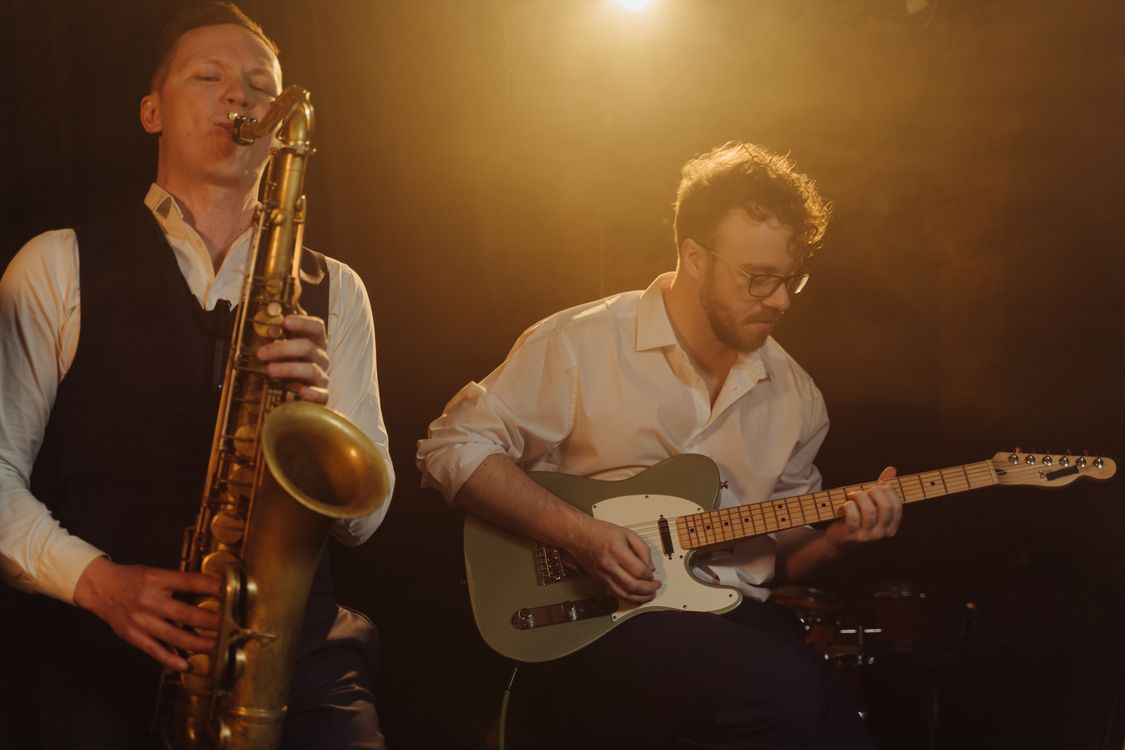
Add a horn or a vocalist and the quartet gains color and a clear focal point. This is a strong default for corporate dinners and private celebrations that want a featured moment without a large stage.
Quintet to Septet
Mid-size groups bring fuller arrangements and more dynamic range. They suit larger rooms and galas where you want the band to carry the space and drive some dancing.
Big Band
A ten-to-seventeen-piece big band is a statement. It demands stage space, power and a room that can hold the volume, and it rewards you with the full swing-era sound. Reserve it for galas and milestone events where the band is part of the spectacle.
As a rough guide, scale the ensemble with the guest count and the ambition of the night. Smaller rooms and talk-friendly dinners favor three or four players; ballrooms and dancing favor six or more. If you are weighing a jazz group against a full concert act, our guide to securing live headliners covers how larger productions change the planning.
Repertoire: From Swing Standards to Modern Jazz
Repertoire sets the emotional temperature of the evening. Agree on a direction early so the band can shape sets around your guests rather than a generic playlist.
- Great American Songbook and swing standards. Gershwin, Porter, Ellington and Sinatra material reads as timeless and lands with a broad adult audience.
- Bossa nova and Latin jazz. Soft, rhythmic and warm, this works beautifully under dinner and on a summer terrace.
- Soul and Motown crossovers. A jazz band with a strong vocalist can move into familiar soul numbers to lift a dance floor.
- Modern jazz and originals. For a design-led or music-literate crowd, contemporary arrangements and instrumentals signal real sophistication.
Most professional groups will also learn a specific request, such as a first dance or a company anthem, if you ask with enough lead time. Build the set as a journey: gentle during arrival and dinner, brighter and more rhythmic as the night opens up.
Space, Sound and Timing for Live Jazz
Live music rewards planning on three fronts: where the band sits, how loud it plays, and when it performs.
Space. Give the ensemble a defined performance area with a solid, level surface. A trio needs only a modest corner, while a big band needs real stage depth and clear access for instruments such as an upright bass or a drum kit. Confirm power supply and whether the venue provides staging.
Sound. Volume should match the phase of the event. During a seated dinner, keep the band at a conversational level so guests can talk comfortably across a table, then let the music rise for the lounge or dancing sets. For sustained loud sections, follow recognized occupational noise guidance from the U.S. Occupational Safety and Health Administration to protect staff and guests over a long night. A professional band and a good sound engineer will manage these transitions for you.
Timing. Decide how sets interleave with speeches, dinner service and any other acts. A typical pattern is background sets during arrival and dinner, then one or two feature sets later. Agree break lengths and whether recorded music covers the gaps so the room never falls silent.
Jazz Band Booking Cost: What It Depends On and How to Brief the Agency
Jazz band fees vary widely with the factors below, which is why a precise brief produces a precise quote.
- Ensemble size. Every additional musician adds fee, travel and logistics.
- Reputation and experience. Established, in-demand players and named band leaders command higher fees.
- Duration and set structure. More playing time and more sets raise the cost.
- Location and travel. Destination events add transport, accommodation and, sometimes, instrument freight.
- Technical needs. Sound, lighting, staging and a dedicated engineer may sit inside or outside the band's fee.
- Date. Peak dates in December and the summer gala season carry premium demand.
To get an accurate proposal, give the agency the essentials up front: date, venue and city, guest count, the mood and repertoire direction, the timings you have in mind, and any sound limits the venue imposes. The clearer the brief, the fewer rounds of back-and-forth. Our definitive client guide to booking musicians breaks down each line of a quote in more detail.
Steps to Confirm the Booking and Build the Running Order
Once you have chosen an ensemble, a short, orderly sequence turns interest into a confirmed act.
- Shortlist and hold. Ask the agency to shortlist suitable ensembles and place a courtesy hold on your date while you decide.
- Review and confirm. Watch recent live footage, confirm the line-up and set structure, then approve the fee and terms.
- Sign the agreement. A written contract should cover fee, timings, break policy, cancellation terms and any special requests such as a learned song.
- Collect the technical rider. The band supplies a rider listing power, stage, sound and space requirements. Share it with your venue immediately.
- Build the running order. Work with the band and venue to slot sets around arrival, dinner, speeches and dancing, with agreed break lengths and cover music.
- Confirm logistics. Lock load-in and sound-check times, parking or freight access, green-room needs and a day-of contact.
An experienced agency manages most of this on your behalf, from the hold through the final running order, so you stay focused on your guests.
To move forward, write a one-paragraph brief covering your date, venue, guest count and the mood you want, then send it to a specialist agency such as Abdulaiev for a tailored shortlist and quote. With 25 years of booking world-class artists for private events and galas, Abdulaiev can match the right jazz ensemble to your room and handle the logistics end to end.
Write down your date, your venue, a rough budget and two or three artists you would love to see perform — that's all we need to come back with realistic options and honest pricing.
Start an InquiryFrequently asked questions
How far in advance should I book a jazz band?
For private and corporate events, three to six months is comfortable. Peak dates such as December and summer gala season fill earlier, so secure strong acts as soon as your date is set.
What size jazz ensemble is best for a dinner?
A trio or quartet works best for seated dinners. It fills the room with warmth while keeping volume low enough for guests to talk across a table.
Can a jazz band learn a specific song for our event?
Most professional ensembles will arrange a first dance or a company anthem if you ask early. Confirm any special requests in writing well before the date so there is time to rehearse.
What do I need to provide for a live jazz performance?
Typically a defined performance area, adequate power, and clarity on whether the venue supplies sound and staging. A good agency sends a technical rider listing the exact requirements.