How to Book a Headline Act for a Product Launch
Key takeaways
- A headline act works when it matches your brand identity and the launch audience, not when it is simply the biggest name you can afford.
- Lock filming, streaming and content rights in the contract before you announce, because a launch lives online long after the room empties.
- In 2025, 80% of companies increased experiential marketing budgets, with experiential taking 10 to 30% of total marketing spend (Cvent).
- Start sourcing six to twelve months out for an A-list headliner; performance fees track fame, routing, production scale and exclusivity.
Booking a headline act for a product launch comes down to three decisions: pick an artist who fits your brand and audience, agree the media and content rights in writing before you announce, and build the performance into the reveal rather than bolting it on at the end. Get those right and the show amplifies the product. Get them wrong and you have paid for a concert that buries your message. This guide walks through how to source, confirm and produce a headline act product launch that actually sells the thing you are launching.
Why a Headline Performer Amplifies a Brand Launch
A live headline act turns a product reveal into an experience people remember and share. In 2025, 80% of companies increased their experiential marketing budgets, with experiential accounting for 10 to 30% of total marketing spend (Cvent, 2026). That shift exists because a crowd that feels something carries the memory far beyond the room.
The emotional lift is the point. Research cited by event specialists found that 91% of consumers said taking part in experiential marketing made them more inclined to buy from the brand (Salmon Labs, 2025). A headline performance concentrates that feeling into a single peak moment, and a product revealed at that peak borrows its energy.
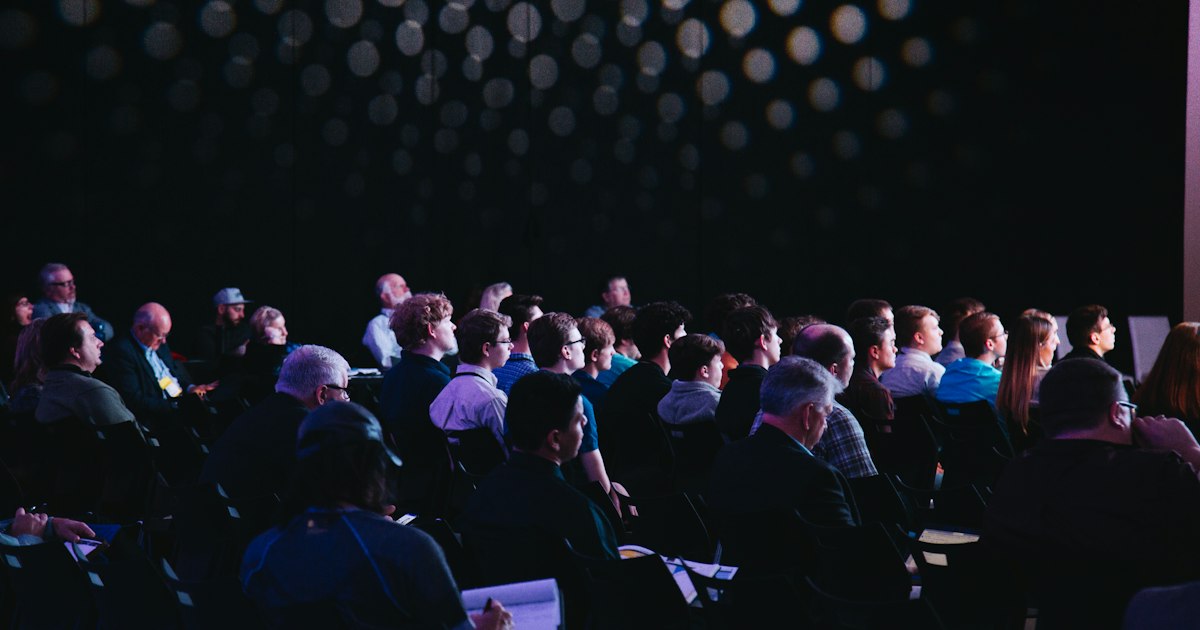
There is a practical benefit too. A recognizable artist gives press, influencers and guests a reason to attend, post and talk. The name earns coverage the product alone might not. When the act and the brand share an audience, every photo and clip that leaves the room carries your launch with it.
Aligning the Artist With Your Brand Identity and Audience
Choose the act whose image, audience and values reinforce your product, not the biggest name your budget can reach. In 2025, event engagement pushed brand consideration to 62%, which was 34% higher than among people who did not engage (Salmon Labs, 2025). Alignment is what converts that attention into the right kind of consideration.
Start from the audience you want in the room. A premium watch launch and a sportswear drop court very different crowds, and the artist who delights one can feel random to the other. Map the act's fan base, public image and typical collaborations against your brand before you fall for a name.
Values alignment matters as much as genre. Vet the artist's public record and recent headlines, because whatever they stand for will attach to your brand for the night. A trusted agency screens this quietly, and confidentiality is part of the job. Abdulaiev handles that discretion as standard, so the vetting stays private while the fit is confirmed.
Test the fit with one question: if a guest posts a clip tomorrow, does it look like your brand or someone else's party? If the answer is unclear, keep looking.
Integrating the Act With the Reveal and Run of Show
Build the performance around the product moment so the music lifts the reveal instead of competing with it. Live events leave a lasting imprint: research shared by event specialists reported that 98% of the emotional responses people have at live experiences persist beyond the event itself (Salmon Labs, 2025). You want that emotional peak to land exactly as the product appears.

Design the run of show as a single arc. A common structure opens with a warm-up set, pauses for the host and the reveal, then releases the headline performance as the celebration. The artist becomes the payoff for seeing the product, not a separate attraction guests remember instead of it.
Agree the technical handoffs early. Lighting, stage changeovers, walk-on music and the exact cue for the reveal all need rehearsal with the artist's team. Many of these requirements live in the performer's rider, and understanding that document prevents last-minute surprises; our guide to artist riders explains what to expect and how to plan around it.
Keep the brand message tight. Brief the artist on the product name, the moment and any lines that must land, while leaving their performance untouched. The best integrations feel natural because the act was looped in during planning, not handed a script on the day.
Media, Filming and Content Rights to Clarify in Advance
Agree filming, streaming and content usage rights in the contract before you announce anything, because a launch lives online long after the room empties. A performance you cannot legally reuse is a one-night asset when it could have fed weeks of campaign content. These permissions are separate from the booking itself and must be negotiated line by line.
Define four things in writing: what you can capture, where you can publish it, for how long, and on which platforms. An artist may grant social clips but restrict a full-length broadcast, or permit twelve months of usage in one territory only. Vague wording here creates disputes later, so be specific.
Think past the night itself. Highlight reels, sizzle edits, paid social and internal recaps all depend on rights you either secured or forgot. Clarify photography, guest-generated content and any press embargo at the same time. An experienced booking partner raises these points before contracts are signed, which is one reason working through a specialist agency protects a launch of this size.
Budget Planning and What Drives Performance Fees
Set the headline fee against the whole production, because the artist is one line in a larger budget. Event budgets are rising even as other channels tighten: event budgets grew by 10.9% for 2025 and 2026, against a 3.1% decline in overall B2B marketing spend (Salmon Labs, 2025). Experiential sits in that growth, which gives serious launches room to invest in talent.
Several factors move a performance fee:
- Current fame and demand. A touring, in-season artist commands more than one between cycles.
- Territory and routing. A date that fits an existing tour costs less than flying an act in for one show.
- Production scale. Full band, bespoke staging and extended sets raise the figure over a short appearance.
- Exclusivity and content. Private, closed-door performances and filming rights carry a premium over a standard slot.
Budget the surrounding costs with the fee: travel, accommodation, production, security, insurance and the rider all add up. For a sense of how named-artist economics work in practice, our breakdown of a Robbie Williams private event shows where the money goes. A clear brief lets an agency return realistic options instead of one aspirational name you cannot staff.
Steps to Source, Confirm and Produce the Booking
Work the booking as a sequence, and start early. Plan six to twelve months ahead for a well-known headliner and three to six months for an emerging act. The timeline protects your date, leaves room to align the artist with the brand, and gives both sides space to negotiate rights without pressure.
A practical order of operations:
- Define the brief. Fix the date, venue, audience, budget range and the product moment the act must serve.
- Build a shortlist. Draw up three to five acts that fit the brand and the budget, ranked by fit rather than fame alone.
- Check availability and routing. Confirm who is genuinely free and whether their schedule makes your date affordable.
- Negotiate terms. Agree fee, set length, exclusivity and the media rights covered above, all in one contract.
- Confirm and contract. Lock the booking in writing, including cancellation and backup provisions.
- Produce and rehearse. Align technical, rider and run-of-show details with the artist's team before the day.
Most brands run this through a specialist rather than approaching artists directly, because agencies hold the relationships and handle the confidential negotiation. With 25 years of experience booking world-class artists for private and corporate events, Abdulaiev manages the full sequence from shortlist to show, so your team can concentrate on the product.
The next step is simple: write a one-page brief covering your date, budget range, audience and the exact reveal moment, then take it to a booking partner. That single document turns a wish for a big name into a shortlist you can actually produce.
Write down your date, your venue, a rough budget and two or three artists you would love to see perform — that's all we need to come back with realistic options and honest pricing.
Start an InquiryFrequently asked questions
How far in advance should I book a headline act for a product launch?
Plan six to twelve months ahead for a well-known headliner, and three to six months for an emerging or regional act. Early sourcing protects your preferred date, gives time for brand alignment, and leaves room to negotiate media rights.
What drives the performance fee for a headline act?
Fees track an artist's current fame, the territory and routing, production scale, and any exclusivity or content usage you request. A private, closed-door launch with filming rights usually costs more than a standard show slot of the same length.
Can we film the performance and use it in our marketing?
Only if the contract grants those rights. Filming, streaming and content usage are separate permissions negotiated upfront, often with limits on territory, duration and platforms. Confirm them in writing before you promote the event.
Should the artist match our brand or just draw a crowd?
Both matter, but alignment wins. An act whose image, audience and values fit your brand reinforces the launch message. A mismatched celebrity may fill the room yet distract from the product you came to reveal.